domenica 20 settembre 2015

IL GOVERNO RUSSO INTERFERISCE NELLA COMMEMORAZIONE DI LIENZ

Russian Government Interferes in Anti-Communist Commemoration in Lienz

Published by  NFTU at  July 3, 2015


July 03, 2015  (Source: http://serbiantrueorthodox.blogspot.com)
The pilgrimage to Kočevje included three destinations that are closely connected to the main event, a memorial service at the Kočevje pits for the commemoration of the 70thanniversary of themassacre which took place there.
As the tragic events at the end of the Second World War connected to the Russian and Serbian peoples overlap in several places, the organizers of the pilgrimage decided to connect two great tragedies – for the Serbs, Kočevje, for the Russians, Lienz – on this memorial pilgrimage.
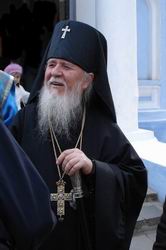
Two Memorial Crosses: “Remember Kočevje” and “Lienz” which were worn by the Serbian pilgrims.
The itinerary was set as following:  Lienz, Nova Goritsa (the resting place of Serbian patriot Dimitry Ljotić), Kočevje.  The group of pilgrims from Serbia, led by His Grace Bishop Akakije, started from Belgrade in the evening of May 31st,in order to participate, on the 1st of June, in the 70th anniversary commemoration of the Cossack tragedy in Lienz, Austria.
The official event of the commemoration of the Cossack tragedy at Lienz was organized by the anti-Bolshevik Cossack organization led by the well-known Cossack activist Vladimir Melechov, whom, unfortunately, the government of the Russian Federation forcefully prevented from making the trip to Lienz (the police in the Moscow Demodedovo airport, behaving like brigands, ripped papers out of his passport and thus prevented him from leaving the country).  The city government of Lienz also traditionally commemorates the tragedy of 70,000 anti-communist Cossacks who, in June of 1945, were disarmed, and along with the elderly, women and children, were given over by the English to certain death at the hands of the bloodthirsty executioners of Stalin’s Red Army.

NFTU

Related posts

September 4, 2015

Monophysites, Muslims, Papists, and World “Orthodox” at Athens Ecumenical Conference


August 12, 2015

Simoniac Heretical Serbian Patriarchate One of the Most “Successful Companies” in Serbia


August 11, 2015

Out From the Catacombs: An Interview with Archbishop Lazar (Zhurbenko) (+2003)


La grandiosa manifestazione di Lienz del 1.06.2015 a commemorazione della tragedia cosacca della Drava, del lontano giugno 1945, ha inevitabilmente rievocato anche i massacri consumati nella Slovenia a fine guerra da parte delle forze partigiane di Tito (Kocevje ed altro) dei quali i britannici non sono esenti da responsabilità e mi permetto di ricordare di essere stato il primo, in Italia,  in anni difficili, a denunciare pubblicamente tali crimini sia editorialmente che giornalisticamente.
20 settembre 2015
PIER ARRIGO CARNIER


Russian Government Interferes in Anti-Communist Commemoration in Lienz

DSC_0050
July 03, 2015  (Source: http://serbiantrueorthodox.blogspot.com)
The pilgrimage to Kočevje included three destinations that are closely connected to the main event, a memorial service at the Kočevje pits for the commemoration of the 70thanniversary of themassacre which took place there.
As the tragic events at the end of the Second World War connected to the Russian and Serbian peoples overlap in several places, the organizers of the pilgrimage decided to connect two great tragedies – for the Serbs, Kočevje, for the Russians, Lienz – on this memorial pilgrimage.
Two Memorial Crosses: “Remember Kočevje” and “Lienz” which were worn by the Serbian pilgrims.
The itinerary was set as following:  Lienz, Nova Goritsa (the resting place of Serbian patriot Dimitry Ljotić), Kočevje.  The group of pilgrims from Serbia, led by His Grace Bishop Akakije, started from Belgrade in the evening of May 31st,in order to participate, on the 1st of June, in the 70th anniversary commemoration of the Cossack tragedy in Lienz, Austria.
The official event of the commemoration of the Cossack tragedy at Lienz was organized by the anti-Bolshevik Cossack organization led by the well-known Cossack activist Vladimir Melechov, whom, unfortunately, the government of the Russian Federation forcefully prevented from making the trip to Lienz (the police in the Moscow Demodedovo airport, behaving like brigands, ripped papers out of his passport and thus prevented him from leaving the country).  The city government of Lienz also traditionally commemorates the tragedy of 70,000 anti-communist Cossacks who, in June of 1945, were disarmed, and along with the elderly, women and children, were given over by the English to certain death at the hands of the bloodthirsty executioners of Stalin’s Red Army.
- See more at: http://nftu.net/russian-government-interferes-anti-communist-commemoration-lienz/#sthash.lU1oCPXz.dpuf

sabato 5 settembre 2015

VECCHIA CARNIA


COMUNICATO RIEVOCATIVO

Cari amici e simpatizzanti, sfogliando vecchie carte, ho trovato degli appunti riferiti alla Carnia su vicende tradizionali ormai scomparse travolte dall’oblio, che mi permetto di ricordare.

I  MANDRIANI


La mia casa, in Carnia, stava sulla strada principale dell’ alta valle di Gorto, era la prima del paese per cui, agli inizi di giugno assistevo ogni anno al passaggio delle mandrie che salivano alle malghe della zona di confine con l'Austria e, a settembre, vi facevano ritorno. A quel tempo, secondo dati statistici certi (1=Nota), nelle malghe della Carnia alpeggiavano non meno di quarantamila capi di bestiame. Mi riferisco alla fine degli anni trenta quand’ero ragazzo e allora uscivo sulla strada per assistere all'evento e mi piaceva sentirmi coinvolto dal  frastuono dei cupi rintocchi delle zampogne misto  alle voci ed anche alle grida tipiche del gestire l’andamento della mandria,  di malgari, pastori e valligiani accompagnatori fra cui dei ragazzi ed anche belle donne. Le grandi mandrie provenivano da zone delle valli pedemontane occidentali ( la cui popolazione era definita col termine Ascins). Grosse mandrie provenivano inoltre da zone pedemontane parallele più ad est, da Cavazzo, Alesso, Avasinis, Trasaghis, Peonis, Cornino (2=Nota) ed anche  più a sud, da Spilimbergo, e ci volevano tre giorni di cammino, regolati a tappe prestabilite, per raggiungere le malghe.
Per queste genti pedemontane la transumanza, percorrendo valli e attraversando paesi, seppure comportasse fatica e disagi, era un rito festoso. Talune mandrie venivano dalle montagne  di Lauco. Ho chiaro il ricordo che,  addirittura, mi piaceva accompagnare qualche grossa mandria nell’attraversamento del  paese e, per un tratto, anche  oltre.  Rammento lucidamente che, una volta, un pastore mi dette in mano il suo lungo bastone che serviva a stimolare o correggere l'andamento della mandria, perchè mi sentissi uno di loro.  Misto al caldo odore dei mantelli delle bestie quel cupo frastuono di zampogne era per me come un canto che rivelava sottili vibranti antiche note felici. Capitava che, a volte, i mandriani  passassero in gelide giornate piovose per cui  erano muniti dei tipici ombrelli dalle sgargianti bordature. Chiedevo loro a quale malga erano diretti, ed ugualmente a settembre al ritorno, da quale malga provenivano e mi piaceva sentire la pronuncia fonetica dei nomi nell'idioma parlato  : Sfleons, Scissanes, Navanza, Mont di Chierc, Naval, Zuplan..., diversa dai termini ufficiali catalogati sulle mappe ( Fleons, Sissanis, Avanza, Monte di Terzo, Neval, Zoufplan...). Nell’andata a giugno allorchè, come già ho accennato, accompagnavo qualche grossa mandria, quando a un certo punto mi fermavo mentre la stessa proseguiva, ricordo che, tra gli accompagnatori, molti mi rivolgevano sguardi di significativa cordialità e taluni,  donne soprattutto, si fermavano un attimo per dirmi parole  di  simpatia.
Il mondo agreste contadino dei pastori e malgari, così come in genere quello delle genti della Carnia e' un tempo che mi ripassa per la mente  come una nuvola  che lentamente scompare  all' orizzonte  dietro le montagne. Di quel tempo riemergono in primo luogo la rassegnata semplicità,  i rigori e le paure, la fedeltà alla parola data, e, soprattutto, il fatalismo con cui si accettavano gli accadimenti della vita. ( a l'è desctin...= è destino).

5 settembre 2015

PIER ARRIGO CARNIER

1=Nota.Precisazione del dott. Marchettano. Periodico TRE VENEZIE.

2=Nota. Da queste zone, praticamente Cavazzo, Alesso, Avasinis, Trasaghis, Peonis, Cornino ritengo possa interessare, il bestiame delle mandrie, per quanto riguardava la specie bovina, era in genere di razza Norica, tipica per la stazza in certo senso snella ed in mantello rossastro, adatta ai pascoli alpestri.


COMMENTO

La mia nota rievocativa VECCHIA CARNIA  ha destato inattesa attenzione. Si tratta di un tempo in cui lo spopolamento della montagna era lontano, e l’intreccio tra le genti della pedemontana occidentale nel rapporto di monticazione del bestiame in Carnia costituiva uno degli elementi positivi, di reciproco interesse, nel quadro dell’economia ambientale che si reggeva con autosufficienza sulle risorse agresti, silvo pastorali e su redditi di attività occupazionale derivanti dall’impegno di lavoro presso qualche industria, tra cui l’industria dei legnami che aveva comunque importanza nazionale.
Si tratta di una realtà che  venne a modificarsi nel dopoguerra, ad iniziare circa dalla fine anni cinquanta, a seguito di nuove esigenze economiche e della spinta all’emigrazione stabile all’estero o presso centri  industriali nazionali  di prestatori d’opera a qualsiasi livello, in risposta a forti richieste ed a seguito di verificatesi effettive carenze occupazionali ambientali. L’argomento meriterebbe un’analisi accurata. Tuttavia furono le esigenze economiche dettate da una nuova realtà a provocare il lento abbandono della montagna e a determinare lo svilimento di alcune regole del mondo agreste e silvo pastorale.

11 settembre 2015

PIER ARRIGO CARNIER